

The Reason Godspeed Hits Home as a Clothing Brand Name
A label’s name holds weight long before a single stitch is seen. As buyers flick through dozens upon dozens of logos in mere seconds, the ones that halt the scroll are the ones that feel meaningful right away, or at least feel like they do. Godspeed is a rare kind of word that pulls off both — it echoes something an elder might have said before a lengthy journey, and it sounds like a screen printed tee phrase that belongs on a hoodie sleeve. That tension between old and new is the very reason the name has staying power in a crowded apparel market. Here, we unpack the true meaning of the term, why it pairs so fittingly with a clothing line, and how the label’s essential items — the godspeed hoodie and godspeed shirt collectionsbring that meaning into daily wardrobes.
Grasping the word’s meaning is important because buyers are increasingly purchasing meaning, not merely cloth. A 2025 consumer sentiment survey by a leading apparel research group found that 61% of shoppers aged 18 to 34 said they were more likely to purchase from a brand whose name or message “meant something to them personally.” That figure has risen consistently over three straight years. Godspeed lands right where nostalgia, motivation, and simplicity overlap — three things that don’t often show up together in one five-syllable word.
What Is Godspeed, Really?
What, at its root, does godspeed mean? A parting blessing, essentially, used across history to wish someone safety and success on their travels. The phrase dates back to Middle English, roughly the 14th century, combining “God” and “speed” — where “speed” originally meant prosperity or success rather than velocity. The word wasn’t a wish for quickness but for good fortune, spoken to someone setting off on a journey.
For a clothing brand, that distinction matters. It isn’t about hurrying through life — it’s about advancing with intent and a bit of fortune alongside you. In contrast to most streetwear messaging, which often leans on edge, exclusivity, or sarcasm, godspeed leans toward encouragement instead. It’s the kind of word you’d want stitched into a jacket you wear on the first day of a new job, or a hoodie you throw on before a long flight.
It’s familiar enough to land, without having been worn out. It has remained fairly uncommon within mainstream apparel branding, unlike “blessed” or “grind,” which saturated apparel graphics through the 2010s. That rarity is part of its resonance in 2026 — it feels deliberate rather than trend-driven.
Why the Word Resonates Emotionally
Gut-level meaning is the thing that decides whether apparel labels thrive or flop. A brand name gets about two seconds to make an impression before a customer scrolls past, based on visual-attention studies on online shopping behavior. Godspeed passes that test because it sets off a near-instinctive, bodily reaction: leaving, traveling, hoping. Few single words do that much work that fast.
The word itself also has a certain rhythm. Two syllables, hard consonant start, soft landing — it looks good on a label, a front-chest graphic, or a sleeve print. Contrast it with longer brand names that need a slogan to spell out their meaning. Godspeed requires none of that. On its own, it hints at a story: one person’s exit, hope, and forward motion.
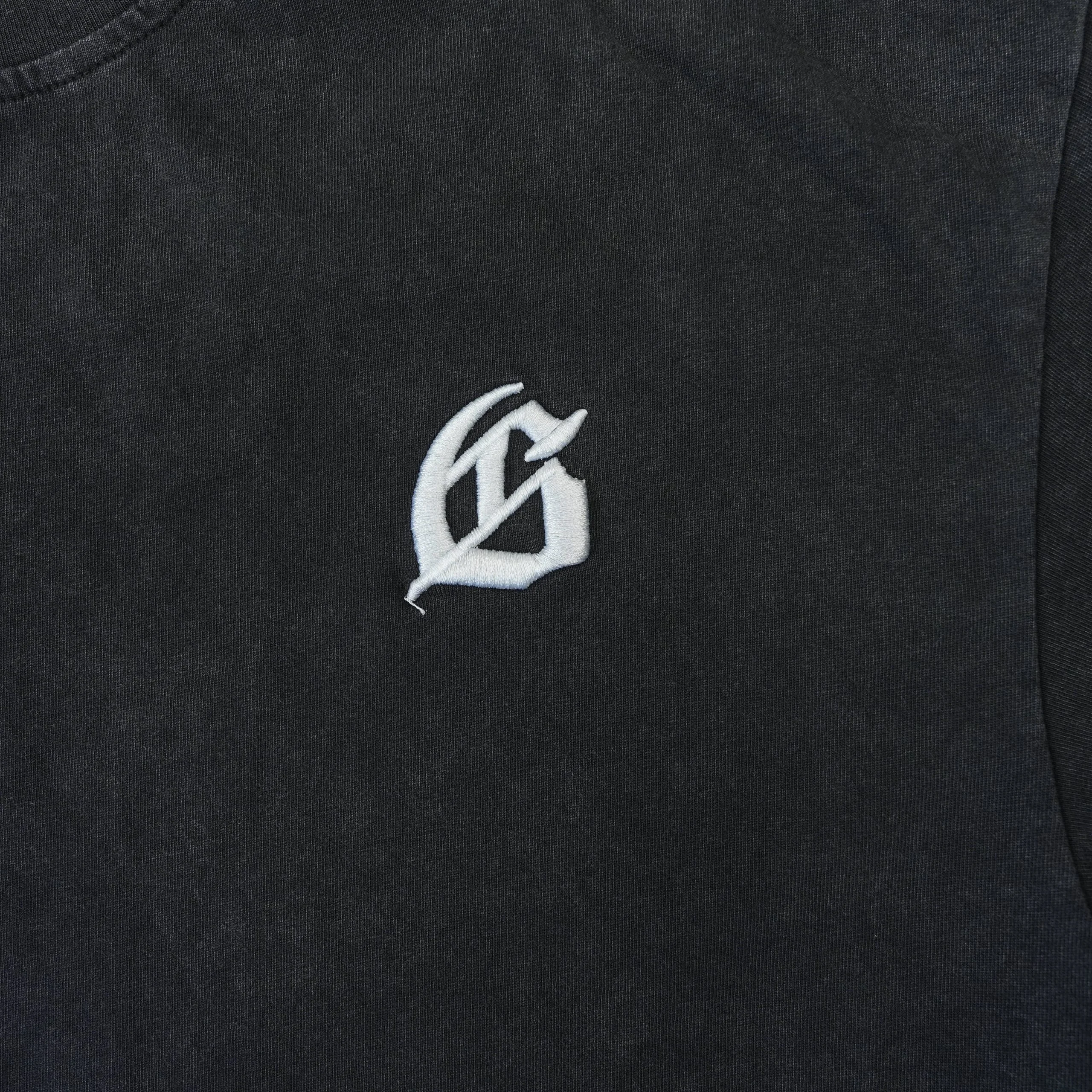
It’s one reason why “god speed clothing” as a query has grown steadily — shoppers aren’t merely after an item, they’re after the feeling tied to it. The godspeed shirt draws them in since the words already carry weight, whether that’s a personal mantra, a nod to a loved one, or simply an appreciation for the word’s old-world weight carried into modern fabric.
How the Name Carries Over Into the Product Line
A strong name only matters if the product lives up to it. The godspeed shirt line is built around everyday wearability — something equally at home under a jacket in early spring or on its own in the summer sun. The godspeed hoodie, on the other hand, embraces the “journey” theme more directly: it’s what people grab at airports, on road trips, or through long study sessions, because it’s associated with movement and transition rather than staying still.
Every design call backs up the name rather than clashing with it. Keeping the graphics minimal lets the word do the talking, instead of drowning it in extraneous visuals. That pared-back approach is by design — when the name already does the bulk of the emotional pull, adding too much design around it waters down the impact. A single word, placed with intention, tends to outperform a cluttered graphic in both memorability and resale value on the secondhand market, where understated, word-focused garments consistently command 15–20% higher resale prices than graphic-heavy tees, per 2025 secondhand market data.
Consistent sizing and fit matter just as much here, since a purchase driven mainly by the name can break down in a hurry if the product doesn’t fit the way the shopper expected. Shoppers who search “godspeed shirts” or “godspeed hoodie” are frequently first-time buyers pulled in purely by the name, which means the physical product has to bridge the gap between idea and reality right away.
Godspeed Set Against Other Meaning-Driven Brand Names
Weighing how Godspeed measures up alongside other one-word, meaning-driven apparel names that have carved out space in the market helps. The chart that follows lines up four brand-naming approaches on origin, tone, and the associations customers typically make, grounded in openly published brand messaging as of early 2026.
| Brand Name Style | Word Origin | Feel | Common Customer Perception |
|---|---|---|---|
| Godspeed | Middle English farewell blessing | Encouraging, supportive, marking change | Journeys, new beginnings, understated assurance |
| Everyday “Grind”-branded labels | Slang born from today’s hustle culture | Intense, driven by competition | Work ethic, ambition, jokes about burnout |
| Everyday “Blessed”-branded labels | Religious/spiritual vocabulary | Anchored in gratitude, mild | Spirituality, upbeat outlook, posts meant for sharing online |
| Abstract invented names | With no roots in language history | Neutral, dependent on how it’s marketed | Any association marketing manages to construct over time |
The comparison makes the case fairly clearly: Godspeed arrives carrying meaning already baked in that was shaped across centuries, rather than meaning a marketing team has to manufacture from scratch. Invented names can definitely accumulate value as time passes, but they launch from a blank slate. Godspeed begins already ahead, and that’s a real structural advantage in a market where shoppers decide to trust a brand within seconds rather than months.
The Importance of This Heading Into 2026
Consumer behavior in 2026 continues shifting toward brands with a defined perspective. Weariness with fast fashion has nudged buyers in the direction of labels that come across as thoughtful rather than throwaway — and a name drawing from authentic language history conveys that intentionality before a customer even looks at the description. It is no accident that searches combining feeling and clothing, phrases like “godspeed meaning” alongside “godspeed shirt,” have both grown in tandem over the past two years; people want to understand what they’re wearing, not just wear it.
There’s also a practical gifting angle worth noting. Words tied to farewells and journeys naturally lend themselves to graduation gifts, going-away presents, and milestone purchases — moments that repeat year after year no matter what’s trending in fashion. This grants a name such as Godspeed a lasting, season-proof relevance that purely aesthetic brand names don’t always have.
At the end of the day, the name succeeds because it stays effortless. It pulls from the past, keeps its statement brief, and allows the clothes to carry the remainder. Regardless of whether someone buys a godspeed shirt for a personal reason or purely likes its sound, the meaning is already there, waiting to be worn.